Embedded Insurance
Protection products distributed through partner journeys
Cover inside another purchase
Embedded insurance offers cover within a trip, device purchase, shipment, lending or other journey. The platform may distribute or introduce the product; an insurer usually bears the insured risk under the policy. Intermediaries or delegated agents may perform defined tasks, but their authority depends on the arrangement and relevant permissions.
Identify the insurer, distributor and claims route. A platform brand is not necessarily the underwriter. A policy offered at a relevant moment can still be poor value or unsuitable for the customer's needs if important eligibility or exclusions are obscured.
Product information and choice
Explain who and what is covered, the period, significant exclusions, limits, deductibles or excesses, price and any applicable cancellation rights. Assess the customer's needs and distribution duties under the actual regime. Avoid presenting an optional policy as compulsory or allowing an unnoticed default to substitute for the required choice.
As a scoped EU example, Insurance Distribution Directive Article 20 addresses demands and needs and comprehensible product information. Advice, non-advised distribution and ancillary arrangements require assessment under their applicable provisions and national implementation. Do not generalise one regime's exemptions or documents globally.
Binding and premium records
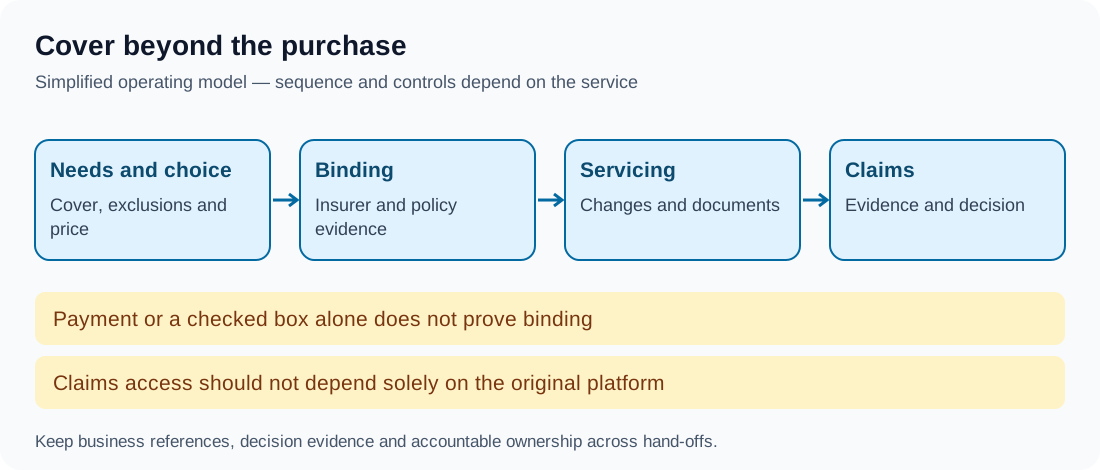
Separate a quote, customer selection, accepted proposal, policy binding and premium collection according to the insurer's process. A checked box or payment receipt does not alone prove a policy is in force. Show the effective status and give access to relevant policy documents.
Join platform purchase, policy, insured subject and premium references. Reconcile commissions, remittances, cancellations and refunds to the agreement and financial records. A returned gadget or cancelled trip may affect cover differently under different terms; do not silently assume every related policy ends automatically.
Claims and continuing access
Provide a usable claims route even if the customer no longer uses the original platform. Explain relevant evidence, progress and responsibilities. A claim submission is not a coverage acceptance or guaranteed payout. Decisions should follow the policy and applicable claims obligations.
If the distributor collects claim information, define privacy, accuracy, hand-off and ownership. The insurer or authorised delegate makes the relevant decision; the platform should not invent exclusions or promise a payment outside its authority. Complaints can involve distribution, cover or claim handling and may need coordinated investigation.
Worked example: gadget cover
In this fictional checkout, a customer selects cover for a new device. The product explains the insured risks, significant exclusions and excess before agreement. The insurer confirms binding and provides a policy reference separate from the shopping order.
Months later, a claim is made after the retailer app closes. The customer can still reach the authorised claims service with the policy reference. If the platform's original description omitted a material exclusion, the firms investigate the distribution issue as well as assessing the claim; the outcome cannot be decided by the checkout tooltip alone.
Value and operating review
Monitor eligible customers, use of benefits, rejected claims, delays, cancellations, complaints and commission incentives. Attach rate and loss ratio answer limited questions and do not alone establish customer value. Low claim activity may reflect low risk, poor access, misunderstanding or several other factors.
Test policy amendments, duplicated purchases, failed premium hand-offs and distributor exit. Keep product versions and customer records sufficient for the relevant responsibilities, with appropriate retention and security rather than unlimited transcript or document collection.
Takeaway
Embedded insurance is useful when cover matches the customer's understood need and remains accessible through policy servicing and claims. The checkout, binding record and insurer's obligations must describe the same product.
Continue to Embedded Investment.