Digital Credit Distribution Models
Point of need credit, merchant economics, embedded lending and customer risk
Distribution selects both customers and obligations
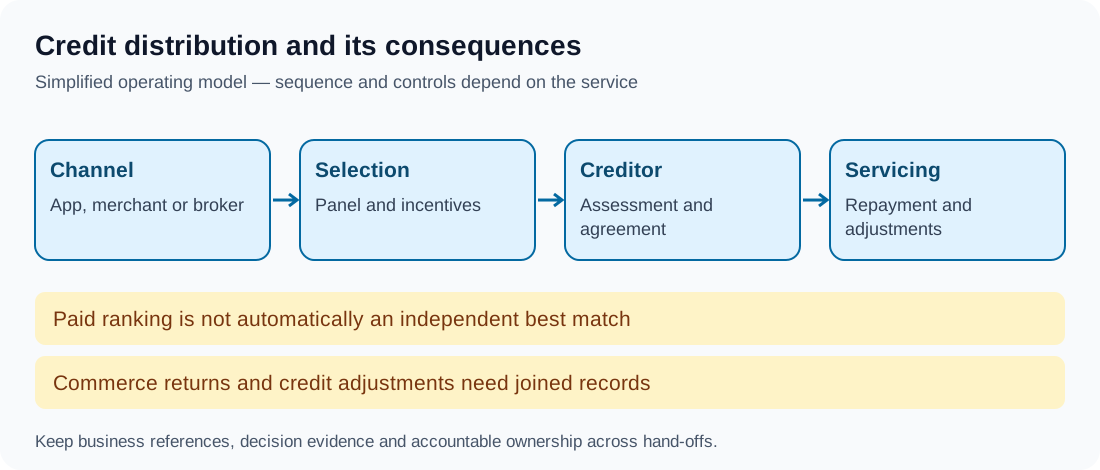
Credit can reach customers through a bank app, merchant checkout, broker, comparison marketplace or business-software integration. The channel determines which applicants arrive, what they see and which firm influences the choice. It does not erase the creditor's assessment and servicing responsibilities.
Identify the distributor, creditor and any intermediary, with actual permissions and customer rights. Promotion, introduction and credit broking can have different legal treatment. In the UK, the FCA's deferred-payment-credit framework began regulating in-scope lending on 15 July 2026; that does not establish identical obligations for every merchant, exemption or overseas arrangement.
Selection and commercial incentives
Paid placement, commissions and merchant subsidies can influence what is offered. Explain the panel and ranking methodology without presenting a limited or paid result as an independent whole-market best match. Higher approval rate is not automatically better customer value or a sustainable credit book.
Retain the relevant offer, presentation, source and selection evidence. Analyse later arrears, complaints and losses by meaningful channel cohorts, with maturity and product differences considered. The channel sending more difficult applications creates a different risk mix; it is not automatically evidence of misconduct.
Sale, funding and returns
Merchant discounts, customer interest and fees have distinct economic roles and accounting treatment. Reconcile distribution remuneration and clawbacks against their actual qualifying events. Principal advanced is not simply distribution revenue.
Join the purchase, agreement, disbursement, refund and repayment schedule. A returned item may require a credit adjustment, but it does not universally extinguish every related obligation immediately. Explain what is pending, prevent incorrect collection and resolve the linked records through the applicable process.
Fictional example: comparison panel
A platform displays three lenders and receives different commissions. It clearly describes panel coverage and the factors determining order. The selected lender performs its required assessment and records the eventual agreement separately from the platform's recommendation.
When the customer complains, the platform and lender join their evidence and identify the responsible action. Passing the case between logos must not erase the original complaint history or applicable time limits.
Takeaway
Distribution should make the credit relationship and selection incentives understandable. Evaluate later customer and book outcomes as well as conversion, and preserve servicing after the distribution channel changes.
See Digital Lending for origination and servicing.